


 Click on the image to view the original image

Product Description
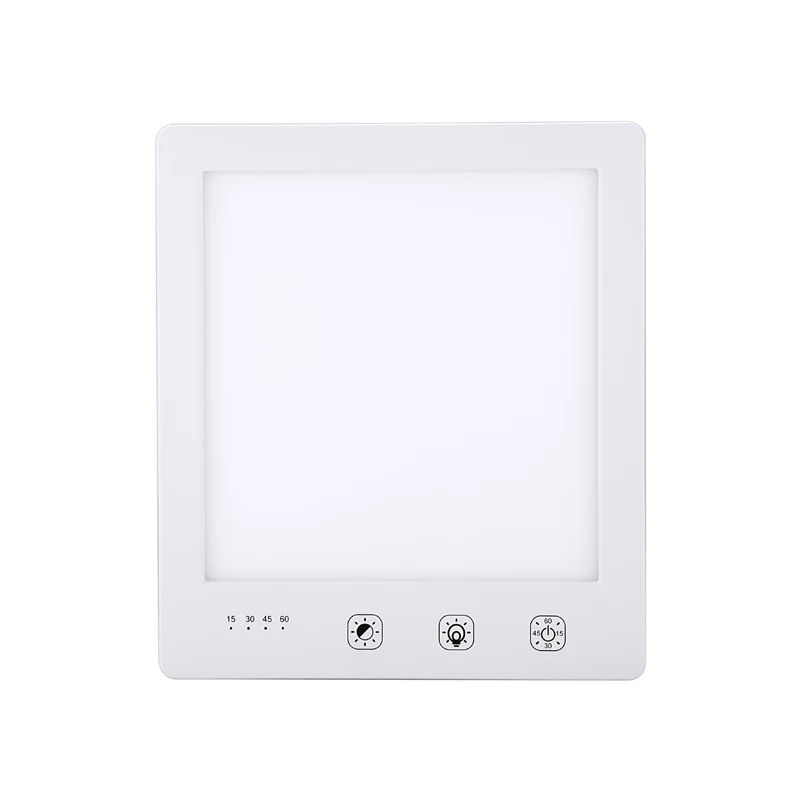
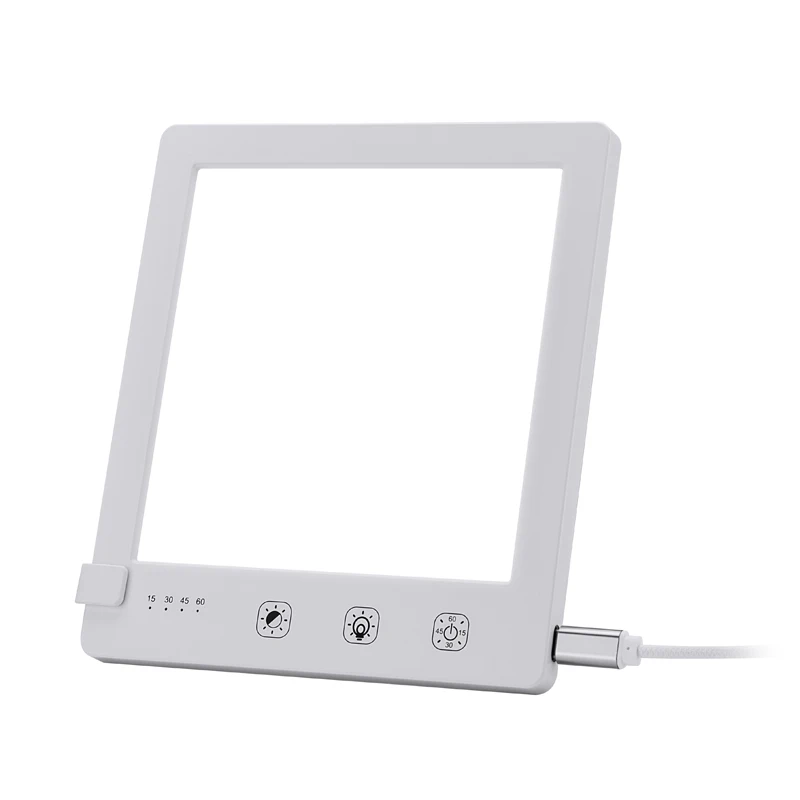
Product Name | Red light therapy |
Material | Acrylic panel |
LED Power | 10.3W |
Color Temperature | 3000K-4700K-6500K |
Adjustment Method | Stepless dimming |
Light intensity | 2000~10000 Lux |
Light color | Yellow/warm yellow/white |
Product Size | 160*140*10mm |
Net Weight | 350G |
Features & Structures
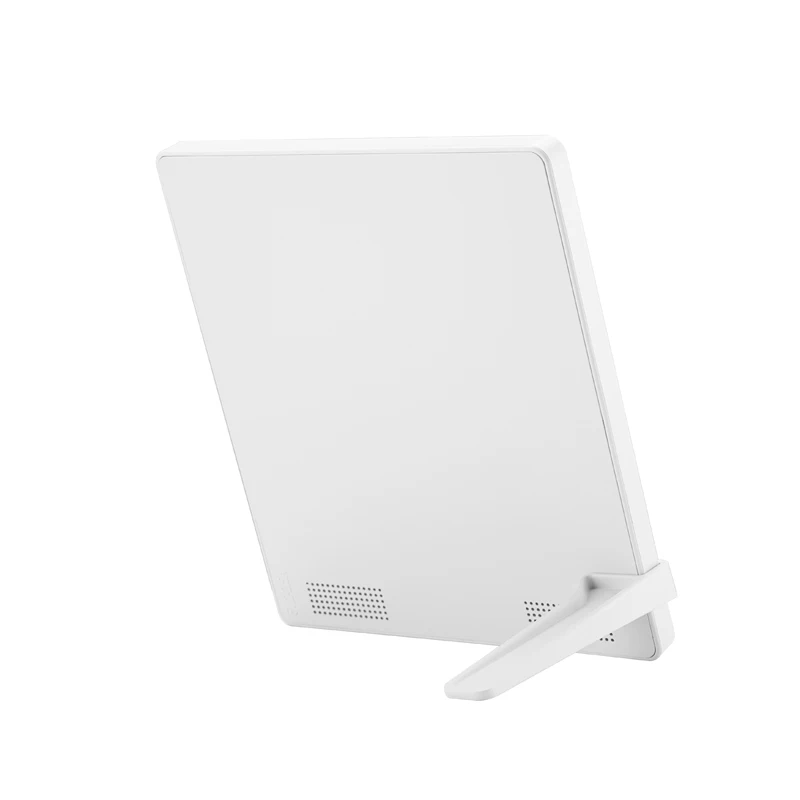
● Angel adjustable by Plastic stand accessor
● Small size and portable, touching switch
How to use this lamp?
Benefits & Application
To help people: treat seasonal affective disorder, simulate sunlight, eliminate the production of melanin, and make the brain more awake and vigorous.
Company Introduction
We are a subsidiary of Shenzhen SAIDI Lighting Technology Co., Ltd., specializing in the R&D, production and sales of LED therapy light, disinfection lamps and physiotherapy supplies. The company has rich R&D experience and quality management system. Possess Secondary medical device sales and production qualifications, and apply for CE, ROHS FCC certification. Products are exported to more than 100 countries. We provide OEM and ODM to help customers build their own brands, have a complete logistics network, and provide free dropshipping services to customers. We adhere to the concept of quality first, safety first, and effect first to make SAIDIPRO brand more professional and comprehensive.
Our Services
1. 24 hour online for better answering your questions
2. Professional R&D and OEM service to meet your different requirements
3. High product quality, 2-3 years warranty, 50000h lifespan
4. Whole after sales service, saving time and energy
Best Selling
FAQ
Q. What are winter blues and seasonal affective disorder (SAD)?
A: Winter blues refers to a set of symptoms many people get in the short daylight months- typically September to March- including sadness, fatigue, decreased libido, difficulty concentrating, irritability, increased sleep and appetite, carbohydrate craving and weight gain. SAD is the severe form of winter blues, so that you become clinically depressed and the other symptoms become seriously debilitating. A key feature is that symptoms appear as daylight decreases in the fall and disappear as daylight increases in the spring.
Q. How common are winter blues and SAD?
A: As one might expect, winter blues and SAD are more common as you move further from the equator. Winter days are shorter and daylight decreases as you move toward the North or South Poles. Perhaps 25% of people in the northern US & Canada suffer from winter blues, with about 15-30% of these having SAD. People living in lower latitudes may also experience winter blues if they spend their days in offices that are typically much less bright than the outdoors, or if their winter weather is cloudy.
Q. What is a circadian rhythm?
A: We all have an internal clock that determines our wake/sleep cycle, or circadian rhythm. This circadian rhythm normally
matches our day/night cycle, but may be disrupted by jet travel across time zones, work shift changes (day shift to night
shift and back again), or some insomnias where our sleep phase gets “out of sync”. When you circadian rhythm is disrupted, you suffer fatigue, decreased concentration and productivity, and increased work errors.
Q. What is Sad Light Therapy?
A. Light therapy is the shining of bright light to your body typically for a half hour each session. Since the 1980’s, light therapy has become the first line treatment for winter blues and SAD. Bright light can also be used to shift your circadian (wake/sleep) cycle, so it is used to prevent jet lag, minimize work shift change fatigue, and help abnormal sleep phase insomnias.
Q. How does light therapy work?
A: We know that shining bright light into your body:
a) suppresses brain melatonin, causing wakefulness, and
b) enhances brain serotonin, causing mood elevation. Light therapy takes advantage of these effects to alter your circadian rhythm to prevent jet lag and work shift change fatigue and some insomnias, as well as to treat winter blues and SAD.
Q: What time of day is best?
A: For winter blues, a bright light session shortly after arising in the morning works best for most people. Some people benefit from an additional session in the late afternoon. Bright light use in the evening may disrupt your sleep pattern. For
circadian rhythm shifting, i.e. jet lag, shift work, and sleep phase insomnias, the time of day to use bright light depends on whether you want to shift your circadian clock forward or backward.
Q. Should I look directly at the light?
A: No. You should let the light be in your peripheral vision field- preferably above your line of sight, so the bright light
hits your lower retina for the best effect. Some clinicians recommend occasional looks directly at the light for brief
periods.
Q. How soon should I feel better after using lights?
A: The effect of light is prompt-hours to days, generally not weeks or months. For jet lag and shift change fatigue, the light
is used to prevent symptoms before they actually occur.